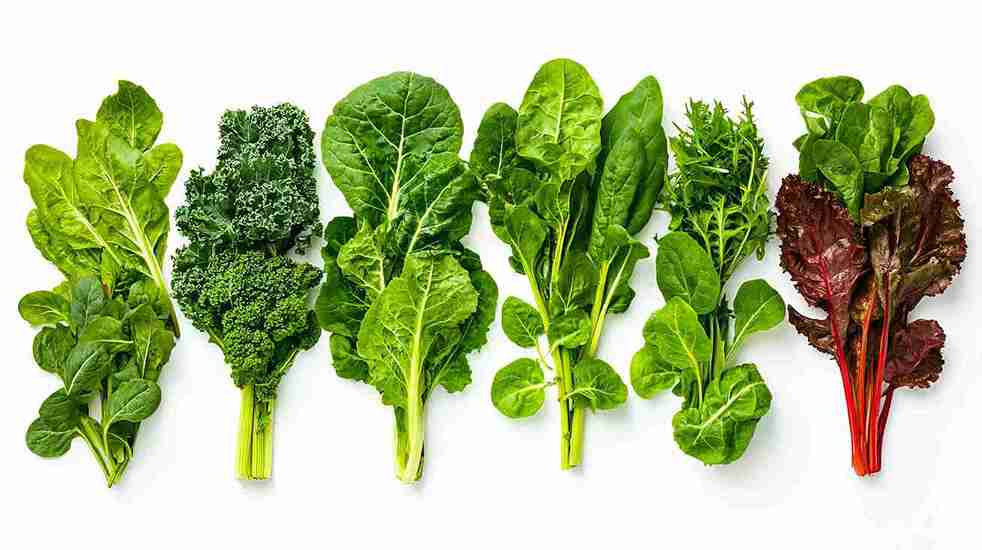
Foods that support egg quality are rich in antioxidants, folate, omega-3 fats, iron, and protein: leafy greens, berries, amla, nuts and seeds, eggs, fish, and pulses. A balanced diet over about three months can support egg maturation for your upcoming cycles. It cannot increase your egg count or reverse age-related decline.
Egg quality versus egg quantity: what food can and cannot change
People often confuse two separate concepts, so it's important to clarify the difference between them. Egg quality means how genetically healthy an egg is, and therefore its ability to fertilise and develop into a healthy embryo. Egg quantity, also called ovarian reserve (the pool of eggs you have left), is a number you are born with that only falls over time. Food can help support the environment in which eggs mature, so it is relevant to quality. It cannot add to your egg quantity or reserve. The nutrients that matter most for quality, and their everyday Indian sources, are below.
Measure
Typical Range
Length × width × depth
Approximately 3.5 cm × 2 cm × 1 cm
Ovarian volume (during the reproductive years)
Approximately 4–10 cm³ (also expressed as cc or mL)
Right ovary compared with the left
Both ovaries are usually similar in size, although one may be slightly larger, which is considered normal.
After menopause
Ovarian volume typically decreases to approximately 2–3 cm³ or less.
Can food really improve egg quality?
To be clear, food can help, but only to a certain extent—and it's important to know those limits. Eating a balanced, whole-food diet creates a healthier environment for the eggs that will mature in your upcoming cycles—a process that unfolds over about three months. That is why changes are best made about three months before trying or before an IVF cycle. What food cannot do is just as important. It cannot increase your egg count or your ovarian reserve, because you are born with all the eggs you will ever have, and that number only declines. It does not make a follicle (the fluid-filled sac in which an egg grows) enlarge on demand within a few days, which is a hormone-driven, clinical process. And no diet reverses the single biggest driver of egg quality: age.
Supplements deserve the same honesty. Coenzyme Q10 (CoQ10, an antioxidant your body makes that declines with age) is often discussed for egg quality. In women with low ovarian reserve going through IVF, some trials suggest it may improve oocyte (egg) and embryo measures, but clear evidence that it raises pregnancy or live-birth rates is not yet established, and the amount found in foods is minimal. Broader reviews of antioxidant supplements find the evidence for higher live-birth rates to be low quality and uncertain. The sensible takeaway: get these nutrients from whole foods, and treat any supplement as a decision to make with your fertility specialist, not a self-prescription.
Best foods to support egg quality
You do not need special or imported foods. The most useful choices are everyday Indian staples, eaten in a variety of ways throughout the week.
Leafy greens and folate
Palak (spinach), methi (fenugreek), and other greens are rich in folate and iron, which support healthy egg development. A daily portion of cooked greens, or methi folded into dal, is an easy habit.
Berries, amla, and other antioxidant fruits
Amla (Indian gooseberry), guava, oranges, pomegranate, and berries are high in vitamin C and other antioxidants, which help protect maturing eggs from oxidative stress. Amla is among the richest sources of vitamin C in India and can be easily incorporated into everyday meals.
Nuts, seeds, and healthy fats
A small daily handful of almonds and walnuts, along with pumpkin, sunflower, sesame, and flax seeds, provides vitamin E, zinc, selenium, and plant-based omega-3 fats. These support hormone production, help protect eggs, and make a convenient snack, such as roasted makhana (fox nuts) with seeds.
Eggs, fish, and omega-3
Eggs provide protein, choline, and vitamin D. For those who eat fish, oily varieties such as sardines and mackerel provide omega-3 fats; choose smaller fish and limit large predatory fish, which can carry more mercury. Vegetarians can rely on flax, chia, and walnuts for omega-3.
Pulses, protein, and iron-rich foods
Dal, rajma, chana, and paneer provide protein, iron, and folate, which together support ovulation and healthy reproductive function. Pairing iron-rich foods with a vitamin C source, such as a squeeze of lemon or a guava, improves iron absorption.
Cutting back is just as important as what you include in your diet. The most important things to limit are:
Trans fats: found in vanaspati, deep-fried food, and packaged bakery items; they raise inflammation.
Ultra-processed and sugary foods: biscuits, sweets and sugar-sweetened drinks drive blood-sugar and insulin swings that can unsettle hormones.
Excess caffeine: keep to roughly one to two cups of coffee or tea a day when trying to conceive.
Alcohol: there is no established safe level when trying to conceive, so it is best avoided.
Smoking: smoking speeds up egg loss and damages egg quality; stopping is one of the most protective steps you can take.
How to build an egg-quality diet
This does not need to be restrictive. A simple, balanced Indian plate covers most of what matters when the proportions are right.
A simple daily framework
Aim to fill about half your plate with vegetables and fruit, one quarter with protein such as dal, paneer, egg or fish, and one quarter with a wholegrain such as millet roti or brown rice. Add a small daily portion of nuts and seeds, stay hydrated, get enough sleep, and keep meals regular. A folic acid supplement is routinely advised before conception and in early pregnancy; ask your doctor about the right one for you rather than self-prescribing. Keep this up for about three months so it reflects in the eggs maturing for your next cycles.
An honest note on age and the male partner
Diet supports egg quality, but age remains the strongest single factor, and food cannot undo age-related decline. This is a reason to seek advice sooner rather than later if you are concerned. Fertility is also a two-person effort: because sperm take about three months to mature, the male partner making the same whole-food changes over that window helps too. See our guidance on how to support sperm count and motility.
When food is not enough: see a fertility specialist
Diet is a supporting player, not a treatment. If any of the situations below apply, an evaluation is more useful than waiting, because time matters for egg quality and food cannot correct an underlying cause.
Approach
What the Evidence Suggests
Strength of Evidence
Following a whole-food, antioxidant-rich diet for about three months
May support the environment in which eggs mature, potentially benefiting egg quality.
Observational evidence
Achieving and maintaining a healthy weight if underweight or overweight
Can improve ovulation and enhance the response to fertility treatment.
Stronger evidence
Stopping smoking
Helps protect egg quality and may slow the decline in ovarian reserve.
Stronger evidence
Coenzyme Q10 (CoQ10) or antioxidant supplements
May benefit some women with diminished ovarian reserve undergoing IVF, although evidence for improving live birth rates remains uncertain.
Low to uncertain evidence
Foods claimed to increase egg count or ovarian reserve
No food has been shown to increase the number of eggs. Diet may support egg health but cannot increase ovarian reserve.
If your specialist suggests checking your ovarian reserve (the pool of eggs you have left), two tests are commonly used: an AMH (anti-Mullerian hormone) blood test and an antral follicle count (an ultrasound scan that counts the small resting follicles). Food does not change these results, but they help set realistic expectations. Indicative costs at Cloudnine Fertility are below; your nearest centre will confirm exact pricing.
Test
What It Measures
Indicative Cost
AMH (Anti-Müllerian Hormone) Blood Test
Measures ovarian reserve (egg quantity) and can be performed on any day of the menstrual cycle.
Approximately ₹3,000–₹5,000*
Antral Follicle Count (AFC) Ultrasound
Counts resting follicles in the ovaries using ultrasound to estimate ovarian reserve.
Approximately ₹1,500–₹4,000*
Figures are placeholders pending audited confirmation and are not for publication until confirmed. For what these results mean, see our guide to understanding AMH and ovarian reserve linked above.
What to realistically expect from diet changes
Setting expectations honestly is part of good guidance. Here is what the evidence suggests different changes can and cannot do for your eggs.
Approach
What the Evidence Suggests
Strength of Evidence
Following a whole-food, antioxidant-rich diet for about three months
May support the environment in which eggs mature, potentially benefiting egg quality.
Observational evidence
Achieving and maintaining a healthy weight if underweight or overweight
Can improve ovulation and enhance the response to fertility treatment.
Stronger evidence
Stopping smoking
Helps protect egg quality and may slow the decline in ovarian reserve.
Stronger evidence
Coenzyme Q10 (CoQ10) or antioxidant supplements
May benefit some women with diminished ovarian reserve undergoing IVF, although evidence for improving live birth rates remains uncertain.
Low to uncertain evidence
Foods claimed to increase egg count or ovarian reserve
No food has been shown to increase the number of eggs. Diet may support egg health but cannot increase ovarian reserve.
Well established
Want to consult the best fertility in india? Please find the links below.
Antioxidant-rich fruit such as amla, guava, and berries, leafy greens for folate, nuts and seeds for vitamin E, zinc and selenium, eggs and oily fish for omega-3, and pulses for protein and iron. No single food is a magic fix; variety across the week within a balanced diet is what supports egg quality.
Can food increase my egg count?
No. You are born with all the eggs you will ever have, and the number only declines with age. No food, drink, or supplement increases your egg count or ovarian reserve. A good diet can support the quality of the eggs as they mature for your upcoming cycles.
Can diet increase my ovarian reserve or AMH?
Not in any meaningful, lasting way. AMH (anti-Mullerian hormone, a marker of how many eggs remain) largely reflects your ovarian reserve, which diet does not raise. Addressing a deficiency like vitamin D supports overall health, but be skeptical of claims that any food or supplement can increase AMH.
Can food increase follicle size in a few days?
No. Follicle growth in a cycle is driven by hormones and is monitored clinically, not changed by a particular food within a couple of days. A balanced diet supports overall reproductive health, but it is not a way to force a follicle to grow on demand.
Schedule your consultation Today!
Book your consultation with our fertility experts the first step toward your parenthood journey.