An HSG (hysterosalpingogram) is a short X-ray test that checks whether your fallopian tubes are open and whether the uterus is normally shaped. A thin catheter passes a contrast dye through the cervix, and X-ray images track how it flows. It takes about 5 to 15 minutes, needs no anaesthesia, and is done in the first half of your menstrual cycle.
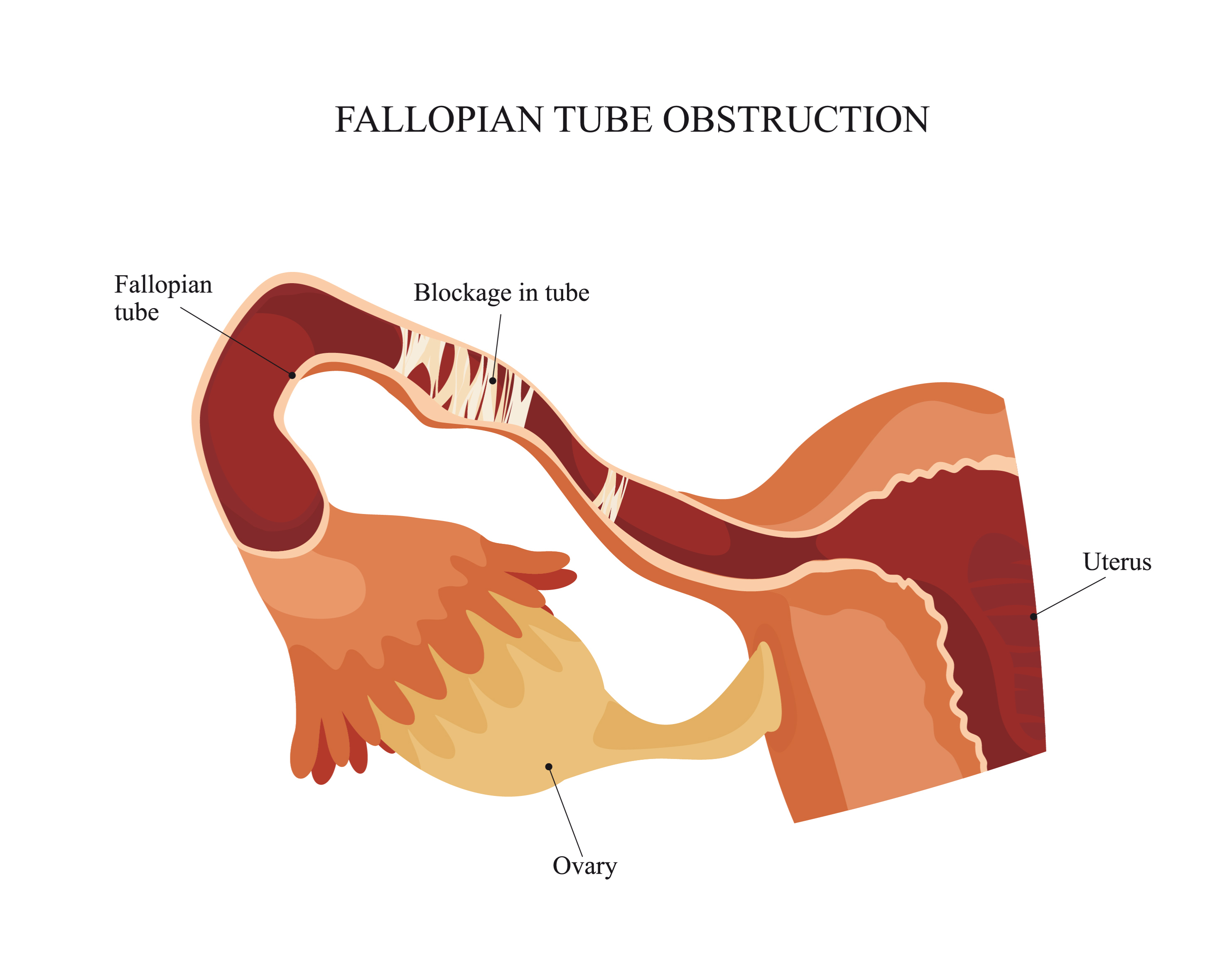
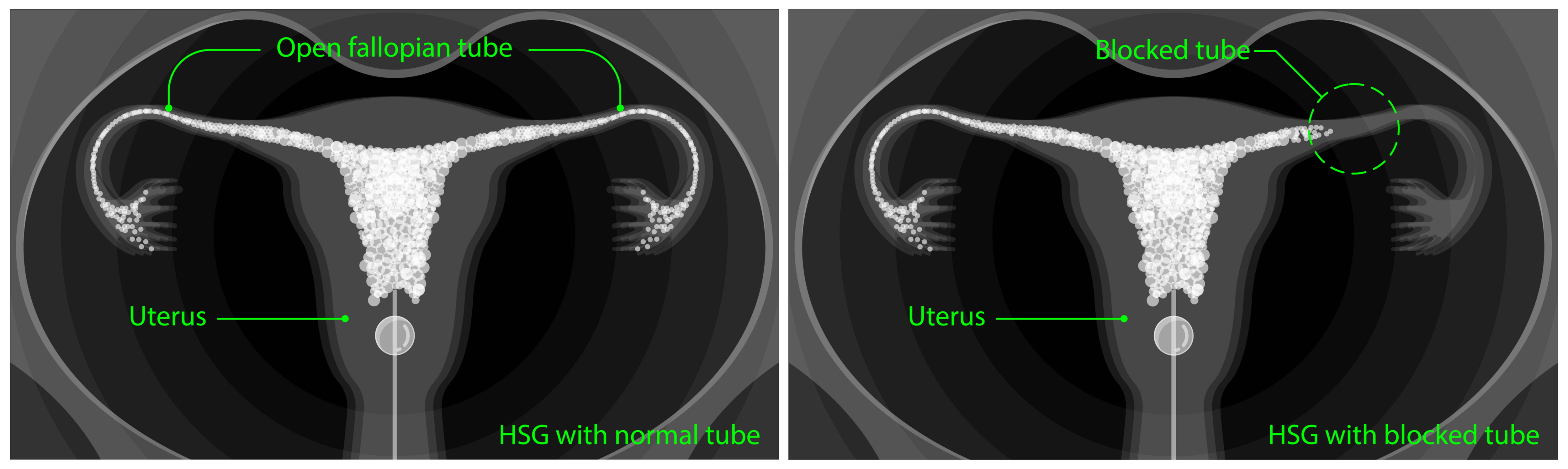
Hysterosalpingography (HSG) is an X-ray procedure used to see whether your fallopian tubes are patent (open) and whether the inside of the uterus is normally shaped. An iodine-based contrast dye, a liquid that shows up white on X-ray, is passed gently into the uterus through the cervix. As the dye flows into the tubes and spills out at the ends, the radiologist or fertility specialist captures images. Free spill means the tubes are open; if the dye stops, it points to a blockage. It is one of the most common tests in a fertility work-up because tubal and uterine problems are a frequent, and often silent, cause of difficulty conceiving.
At a Glance
Detail
Full name
Hysterosalpingography (HSG)
What it checks
Whether the fallopian tubes are open and the shape of the uterine cavity.
How it works
An iodine-based contrast dye is passed through the cervix while X-ray imaging (fluoroscopy) tracks its movement through the uterus and fallopian tubes.
Timing
Usually performed during the first half of the menstrual cycle, often around days 6–12, after the period ends and before ovulation.
Duration
The procedure usually takes about 5–15 minutes, while the entire visit may take around 30 minutes.
Anaesthesia
Usually not required; you generally remain awake during the procedure.
Recovery
Usually same-day recovery. Mild cramping or light spotting for a day or two can occur.
Why is an HSG test done?
For a natural pregnancy, at least one fallopian tube has to be open so the egg and sperm can meet and the fertilised egg can travel to the uterus. If a tube is blocked or the uterine cavity is distorted, conception becomes harder or, in some cases, impossible. An HSG is usually recommended when you have been trying to conceive without success, when a blocked tube is suspected, after recurrent miscarriage, after a pelvic infection or pelvic surgery, or as part of the work-up before treatments such as IUI. If a blockage is found, our guide to blocked fallopian tubes explains the options, and where treatment moves towards IVF, the tubes are bypassed altogether.
How is an HSG test done, step by step?
The test is quick and outpatient. Knowing what happens at each stage makes it far less stressful.
Before the test: preparation and the '10-day rule'
An HSG is scheduled in the first half of your cycle, usually between day 6 and day 12, after bleeding has stopped but before ovulation. This is what people mean by the "10-day rule": doing the test in the early, pre-ovulation window rules out an early pregnancy and gives the clearest images. Most centres ask you to take a mild pain reliever, such as ibuprofen, about an hour beforehand to ease cramping, and some prescribe a short course of antibiotics if there is any infection risk. You do not need to fast, so you can eat normally. Tell your specialist in advance if you are allergic to iodine, contrast dyes or seafood, and bring a sanitary pad, as light spotting afterwards is common.
During the procedure
You lie on an X-ray table as you would for a routine pelvic exam. A speculum is placed, the cervix is cleaned, and a thin catheter is passed through the cervix into the uterus. The contrast dye is slowly injected, and as it fills the uterus and flows into the tubes, X-ray images are taken. If the dye spills freely from the ends of the tubes, they are open. If it stops, that suggests a partial or complete blockage. The dye injection is the part most likely to cause cramping, and it lasts only a minute or two.
HSG compared with SSG (HyCoSy) and laparoscopy
HSG is not the only way to check the tubes. The main alternatives differ in whether they use radiation and how invasive they are.
Test
How It Works
Radiation / Anaesthesia
Typically Used For
HSG (Hysterosalpingography)
X-ray imaging with iodine-based contrast dye
Low-dose X-ray; usually no anaesthesia
Common first-line assessment of fallopian tube patency and the uterine cavity
SSG / HyCoSy / HyFoSy
Ultrasound using saline, contrast medium, or foam
No radiation; usually no anaesthesia
Radiation-free alternative for assessing the fallopian tubes; availability and use vary by centre
Laparoscopy with dye
Keyhole surgery in which dye is passed through the reproductive tract and the tubes are viewed directly
No radiation; requires anaesthesia
Used when surgery is also planned or when non-surgical tube tests are inconclusive
What can an HSG detect?
An HSG gives a clear picture of the tubes and the uterine cavity. It can identify:
Blocked or partially blocked tubes: the most common reason the test is ordered, and a frequent cause of tubal-factor infertility.
Hydrosalpinx: a swollen, fluid-filled tube, which matters because the fluid can lower the success of IVF and may need treating first.
Uterine cavity abnormalities: a uterine septum or a congenital difference in the shape of the cavity.
Polyps or submucosal fibroids: growths that push into the cavity and can interfere with implantation.
Intrauterine adhesions (Asherman syndrome): scar tissue inside the uterus, often after previous surgery or infection.
What an HSG cannot do is just as important: it does not assess egg quality, ovarian reserve or ovulation (that needs follicle tracking and blood tests); it does not diagnose endometriosis outside the cavity, and an open tube is not proof that the tube is functioning perfectly.
Does an HSG test hurt, and how do you prepare?
This is the question patients worry about most, so here is the honest answer along with what actually helps.
How much it hurts, and how to ease it
Most women feel cramping similar to a strong period for a minute or two during the dye injection, and it usually settles within about 5 to 30 minutes. A smaller number feel sharper pain, particularly if a tube is blocked and the dye has to push against resistance. You stay awake throughout, but the discomfort is short and self-limiting.
Take a mild pain reliever, such as ibuprofen, about an hour beforehand; it makes a meaningful difference.
Come with a companion if you can: you can usually leave within 15 to 20 minutes, but having someone with you helps.
Bring a pad and flag allergies: expect light spotting, and tell the team in advance about any iodine or contrast allergy.
What to expect afterwards
Light spotting and mild cramping for a day or two are normal, and most women return to work the same day or the next. Walking and light activity are fine. Your specialist may ask you to avoid intercourse, swimming pools and tub baths for two to three days while the cervix settles. A few signs, however, need a prompt call, which the next section sets out.
How much does an HSG test cost in India?
The cost depends on the city, the centre and the imaging technique, and on whether the price is for the standalone test or a package that also includes the consultation and scan. The indicative national ranges below reflect what most Indian centres charge.
Type
Indicative Cost Range (India)
Conventional HSG (X-ray)
Approximately ₹2,000–₹8,500
Digital HSG
Approximately ₹4,000–₹12,000
SSG / HyCoSy / HyFoSy (Ultrasound-Based)
Approximately ₹6,000–₹15,000
The main drivers are the technique used, whether the consultation and ultrasound are bundled in, and the city. HSG is done in-house at Cloudnine Fertility centres.
When to call your doctor after an HSG
An HSG is a very safe outpatient test, and serious problems are uncommon. Most after-effects are mild. A few, though, need a prompt call rather than waitin
Usually Normal
Call Your Doctor
Mild cramping for a day or two
Severe or worsening pelvic pain
Light vaginal spotting
Heavy vaginal bleeding
A small amount of contrast-dye leakage
Fever or chills
Brief light-headedness
Foul-smelling vaginal discharge
Discomfort that gradually settles
Fainting or pain that does not improve, which may indicate an infection or another complication
If any of these develop, contact your team the same day. Book a fertility consultation at a Cloudnine Fertility centre if you want your results reviewed and a clear next step.
How to read your HSG result, and can it help you conceive?
Your report will describe the tubes and the uterine cavity. Broadly, it falls into two pictures.
A Normal HSG Shows
An Abnormal HSG May Show
Both fallopian tubes are open, with contrast dye spilling freely into the pelvic cavity
One or both fallopian tubes are blocked, or a hydrosalpinx (fluid-filled, blocked tube) is present
A normally shaped uterine cavity
A uterine septum or another congenital difference in the shape of the uterus
No filling defects within the uterine cavity
Possible polyps, submucosal fibroids, or adhesions within the uterine cavity
An abnormal result does not mean pregnancy is off the table. Depending on the findings, your specialist may suggest a hysteroscopy or laparoscopy to look more closely or treat the problem, or may shift the plan towards IVF, which bypasses the tubes entirely.
There is also an honest point worth making about conceiving after an HSG. Because the test flushes the tubes, it can have a small, temporary fertility-boosting effect. A large randomised trial (H2Oil, 2017) found that flushing with oil-based contrast led to about 10 percentage points more pregnancies in the following months than water-based contrast, in younger women with unexplained infertility and open tubes. The catch is that this benefit does not apply to everyone: a 2026 follow-up trial found no clear live-birth advantage in women over 39, those with ovulation disorders, or those at high risk of tubal problems, and oil-based contrast carried a higher rate of temporary thyroid disturbance. So an HSG is worth doing for what it tells you, and any flushing benefit is a modest bonus for some, not a treatment you would choose the test for. The choice of contrast is a clinical decision for your specialist.
Want to consult the best fertility in india? Please find the links below.
Most centres charge roughly Rs 2,000 to Rs 12,000, depending on whether it is a conventional or digital X-ray HSG and on your city. Ultrasound-based alternatives such as HyCoSy can cost a little more. Ask whether the quote is for the test alone or a package that includes the consultation and scan.
Is an HSG test painful?
Most women experience cramping like a strong period for a minute or two during the dye injection, which settles within about half an hour. It can be sharper if a tube is blocked. A mild pain reliever taken an hour before the test makes a real difference, and no anaesthesia is needed.
What is the 10-day rule for HSG?
It means the test is best done within roughly the first 10 days of your cycle, after your period ends but before ovulation. This window rules out an early pregnancy and gives the clearest images of the tubes and uterus.
How long after an HSG will I get pregnant?
There is no guaranteed timeline. An HSG is mainly diagnostic, but flushing the tubes can give a small, short-lived rise in natural pregnancy over the next few months, most clearly in younger women with unexplained infertility and open tubes. Many people conceive with the treatment plan that follows the test rather than from the test itself.
Schedule your consultation Today!
Book your consultation with our fertility experts the first step toward your parenthood journey.